Gifts
Gifts
 Back to articles
THE DIGEST
Sustainable Living Starts With What You Sit On
Every vintage piece you buy is one less item sent to landfill. Here's why secondhand furniture is the most impactful sustainable choice you can make for your home.
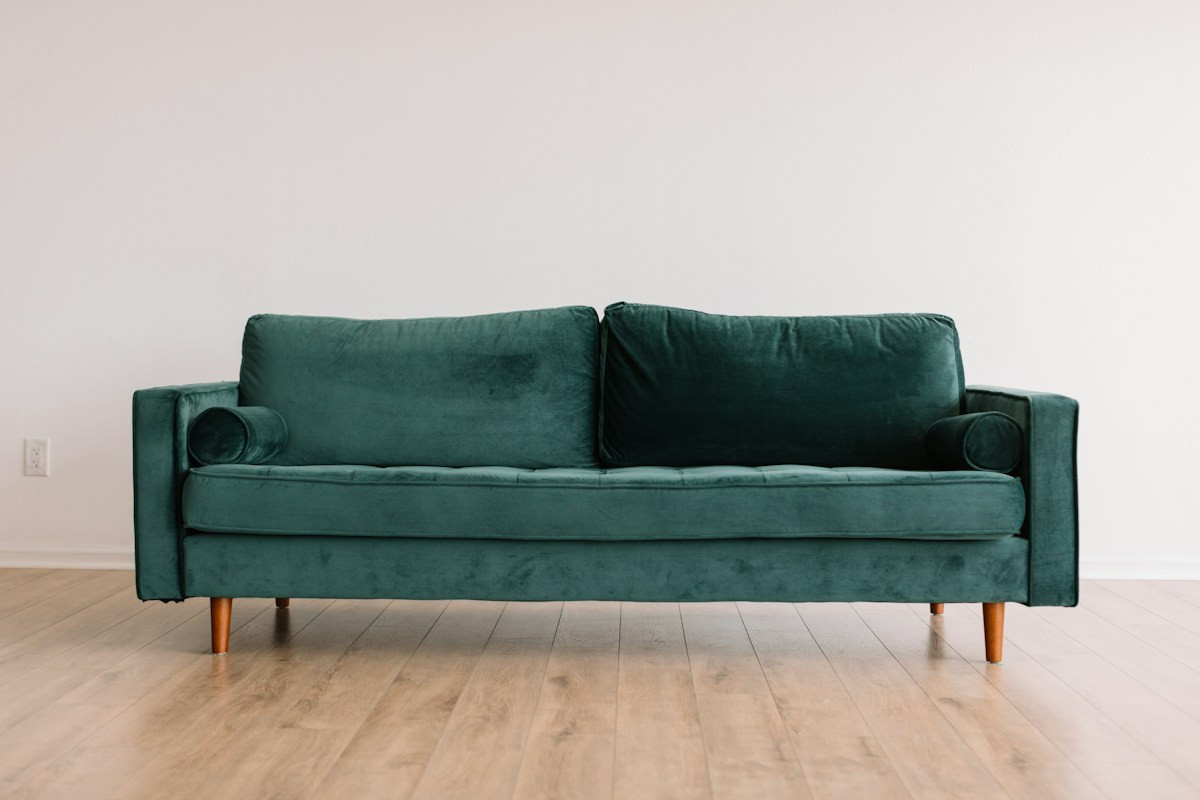
Mid-century modern design emerged in the post-war period, roughly spanning from 1945 to 1969. It was a time of optimism, experimentation, and a radical rethinking of how we live.
Designers like Charles and Ray Eames, Hans Wegner, and Arne Jacobsen stripped away the ornamental excess of earlier eras and embraced clean lines, organic forms, and honest materials.
What makes these pieces so collectible today isn't just nostalgia — it's the sheer quality of craft. A teak sideboard from the 1960s was built to last generations, and many have done exactly that.
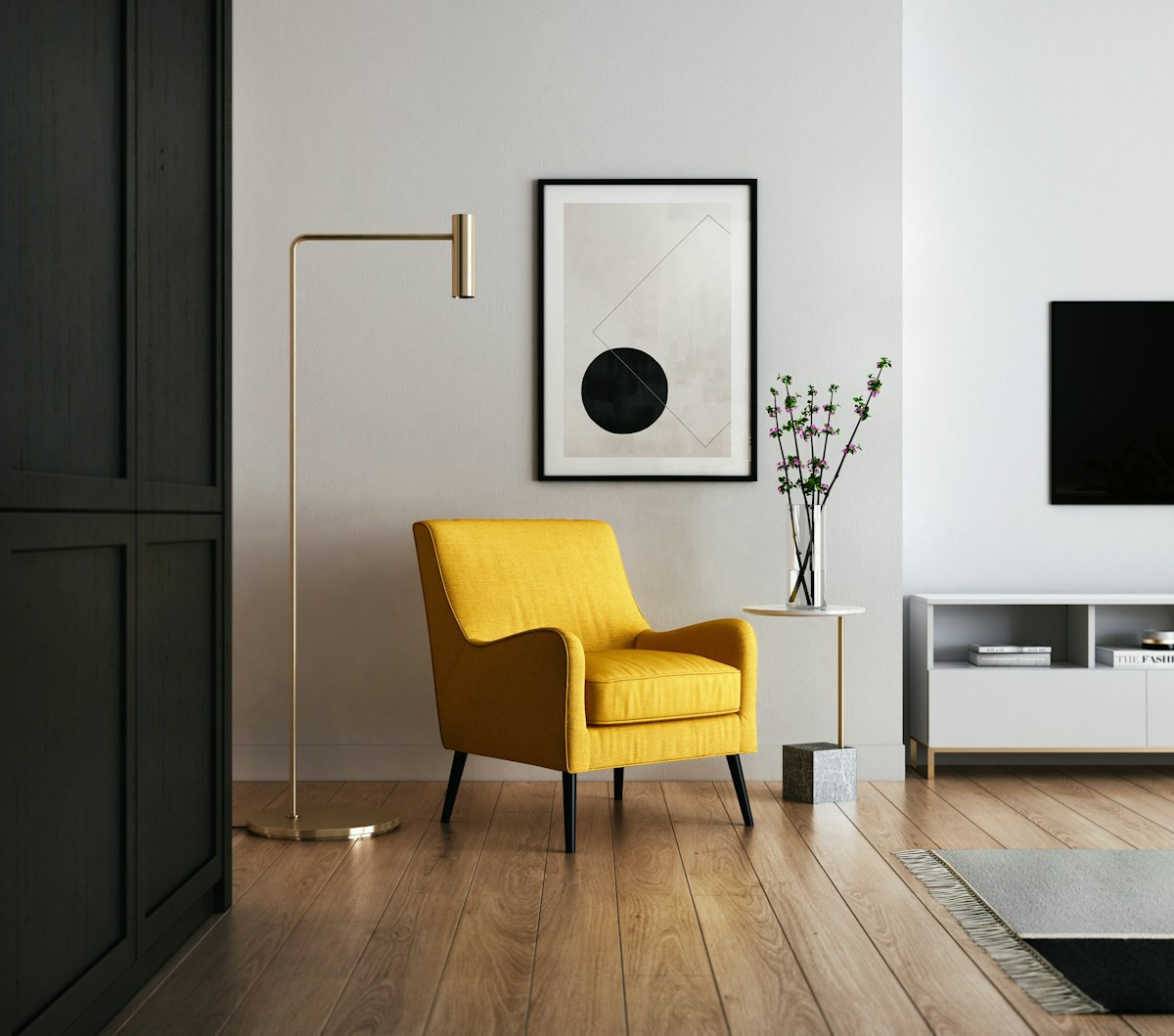
The easiest way to create balance is to aim for roughly 70% contemporary pieces and 30% vintage. This gives your space a modern foundation while allowing standout vintage finds to shine as focal points.
If you're new to vintage, don't try to furnish an entire room at once. Start with a single hero piece — a beautifully aged leather armchair, a reclaimed oak dining table, or an Art Deco drinks cabinet. Let that piece anchor the room, and build around it.
Materials That Age Gracefully
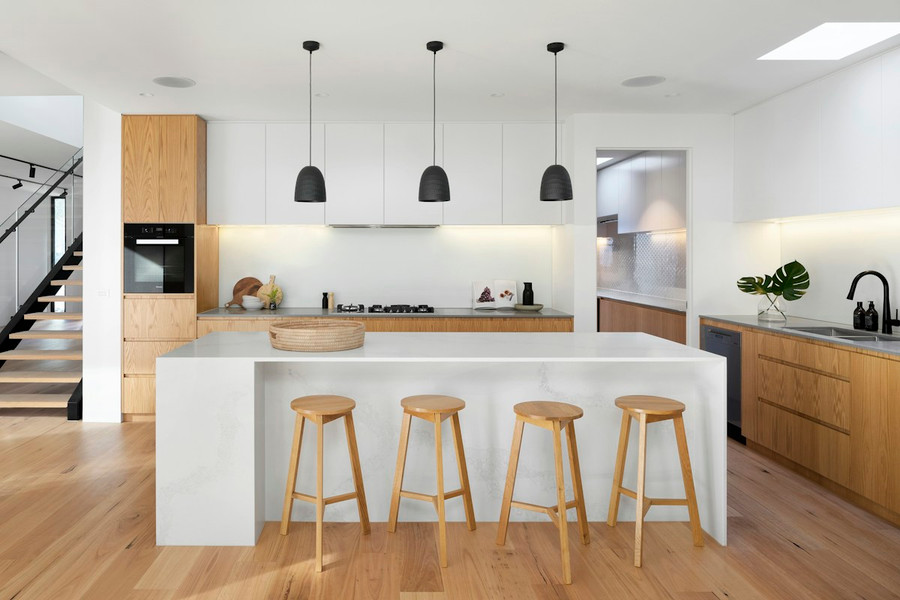
Solid brass develops a warm patina. Leather softens and moulds to your shape. Real wood gains character with every year. These are materials that get better with time.
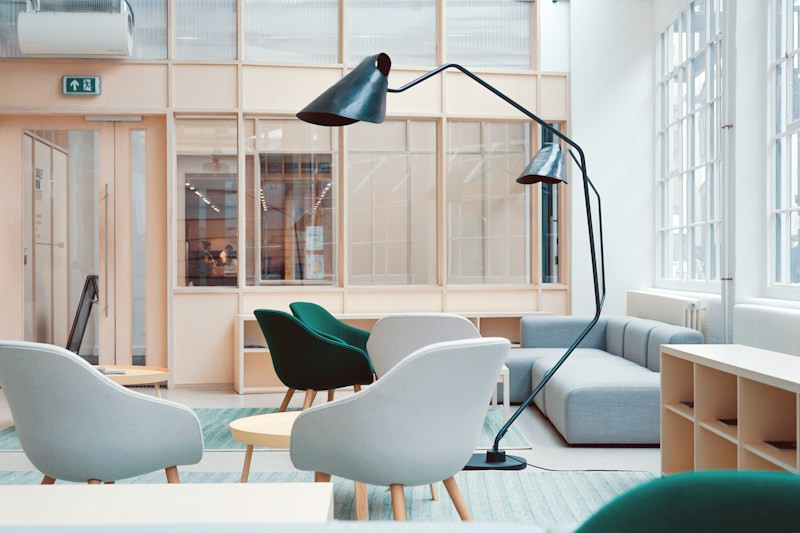
Mid-Century Seating
Welcome to the home of pre-loved
“The most sustainable piece of furniture is the one that already exists.”